Fantasia (1940)

Fantasia
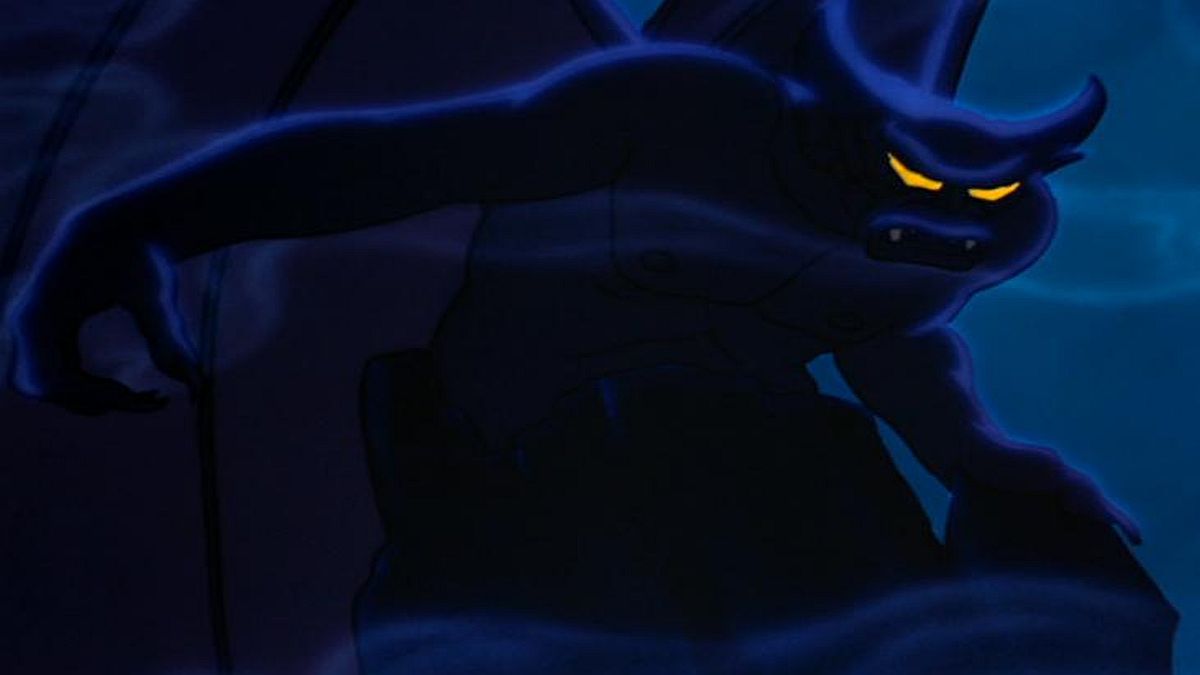
Fantasia remains one of animation’s most astonishing technological achievements precisely because it predates the digital tools we now take for granted. In the 1940s, every frame was a physical object. Characters were drawn by hand on transparent celluloid sheets, backgrounds were painted on large boards, and each layer was photographed one frame at a time using a massive animation camera. To create movement, artists redrew characters thousands of times with tiny variations, while effects like smoke, water, sparkles, and shadows were painted frame‑by‑frame on separate layers. The result was hundreds of thousands of individual drawings, each one a unique artifact marked by subtle imperfections and the unmistakable presence of the human hand. Complex sequences, such as the dancing mushrooms or the abstract imagery in the Bach prelude, required experimental camera rigs, custom paints, new lighting techniques, and even Fantasound, an early stereo system developed specifically to match the film’s visual ambition. In an era when every second of animation demanded 24 new drawings, Fantasia wasn’t merely animated; it was engineered.
Seen from the perspective of modern CGI, this achievement becomes even more remarkable. Today’s animation relies on digital models, rigging systems, and algorithmic lighting, all powerful tools that allow artists to build vast worlds and fluid motion without redrawing every frame. But that efficiency also means the computer mediates much of the image‑making. By contrast, Fantasia’s imagery was built entirely by human hands, one drawing at a time, giving the film a tactile, organic quality that digital animation rarely replicates. In an era defined by computational precision, its analog artistry feels extraordinary rather than outdated, a reminder of how much innovation can emerge from limited tools when imagination is pushed to its limits.