Pearl (2022)

Pearl
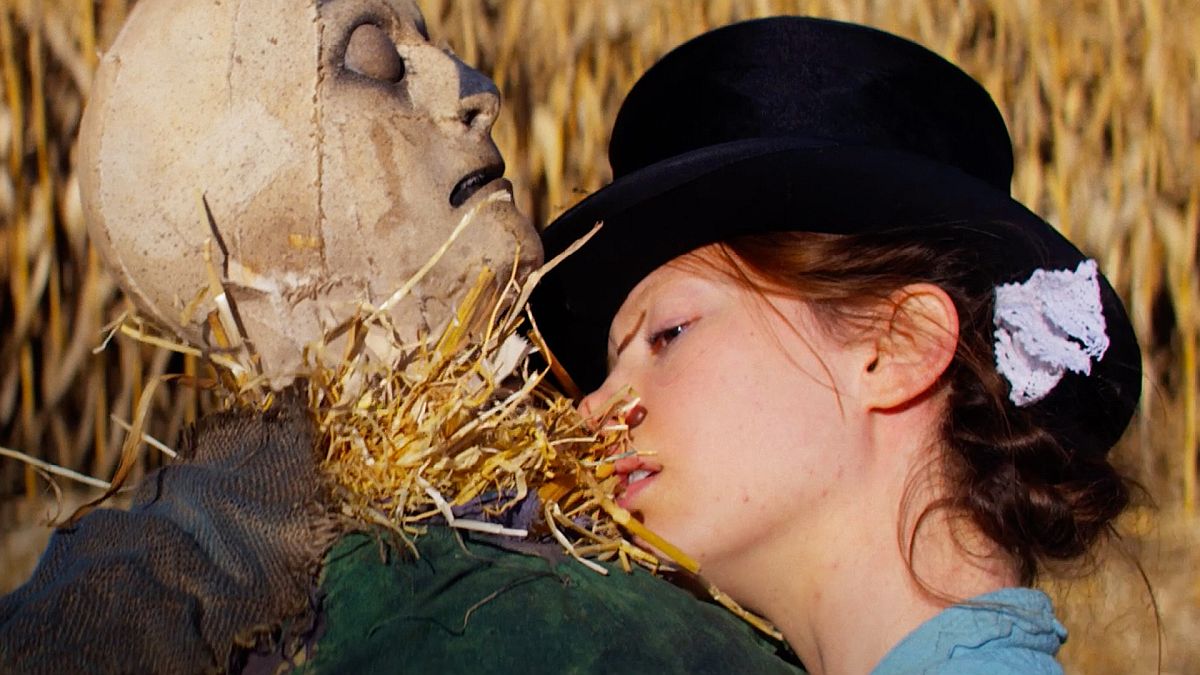
Set decades before the events of X, Pearl trades grindhouse grit for a lush, Technicolor sheen that belies the darkness simmering beneath its surface. Ti West and Mia Goth craft a prequel that feels more like a psychological melodrama than a slasher, where the horrors emerge from the slow, suffocating pressure of a life unlived rather than from masked killers or supernatural forces. The year is 1918, and Pearl (Goth) is trapped on her family’s isolated Texas farm, tending to chores, caring for her ailing father, and enduring her mother’s rigid discipline. All the while, she clings to fantasies of stardom that grow more elaborate and more desperate as the film unfolds.
THIS REVIEW CONTAINS MINOR SPOILERS
What makes Pearl so compelling is the way it depicts ambition as both a lifeline and a poison. Pearl’s dreams of dancing in the pictures aren’t treated as shallow vanity; they’re her only escape from a world that offers her nothing in return. Early scenes of her practicing routines in the barn or sneaking into town to watch newsreels capture a young woman reaching for something just out of reach. But the longer she reaches, the more the gap between fantasy and reality widens. West uses the film’s bright, storybook aesthetic to heighten this tension, creating a visual dissonance that mirrors Pearl’s unraveling mind.
The turning point arrives during Pearl’s audition for a traveling dance troupe. She pours every ounce of hope into the performance, convinced that talent and willpower alone will carry her to a better life. When the rejection comes, it lands with devastating force. Goth plays the moment with a rawness that strips away any remaining illusions, revealing the depth of Pearl’s loneliness and the volatility that has been building beneath her cheerful facade.
Goth’s performance is powerful. She navigates Pearl’s shifts between innocence, yearning, and fury with remarkable precision, culminating in a monologue that lays bare the character’s inner world with startling clarity. It’s a portrait of a woman shaped as much by circumstance as by her own unchecked longing.
As a standalone film, Pearl is a compelling character study; as a companion to X, it enriches the trilogy’s world by showing how a dream out of reach can become something monstrous. It’s a tragedy painted in bright colors, and one of the more memorable horror performances in recent years.