Sacco & Vanzetti (1971)
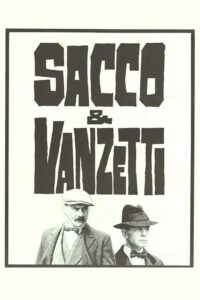
Sacco & Vanzetti
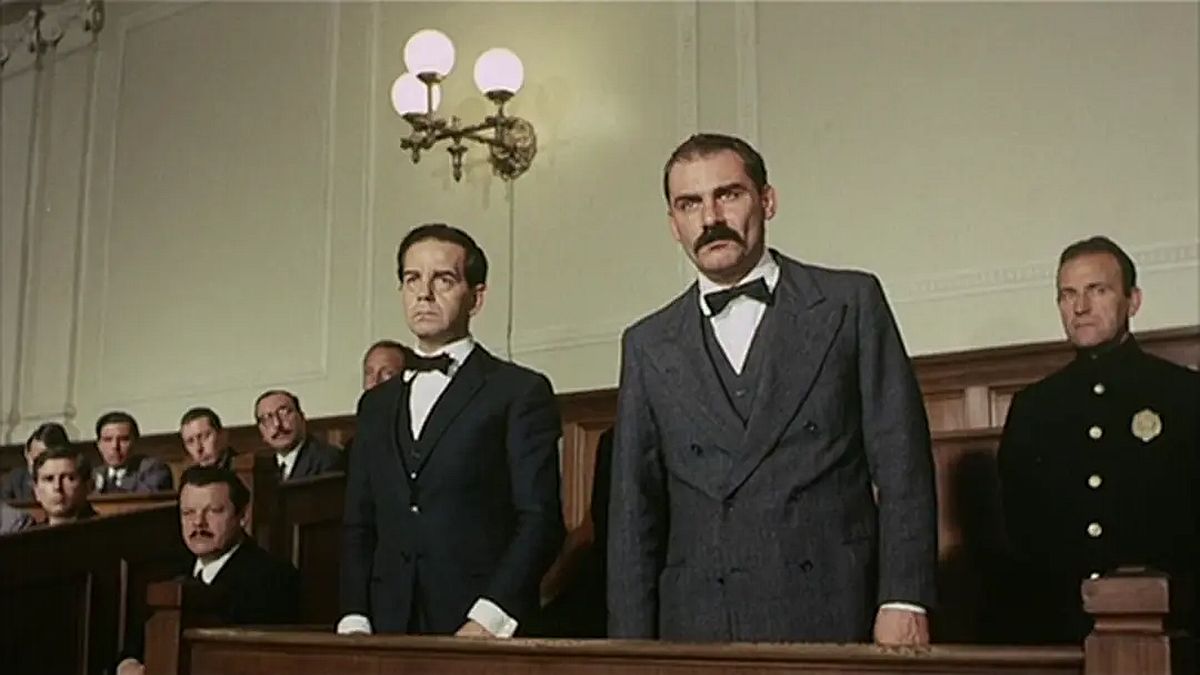
Set in Boston in 1920, during the height of the First Red Scare in the United States, Sacco & Vanzetti plays out like a courtroom drama that documents the trials of Italian immigrants and anarchists Nicola Sacco and Bartolomeo Vanzetti. What unfolds is a pointed political reflection on how fear and prejudice shaped one of the most controversial trials in American history.
The film follows Sacco and Vanzetti from their arrest through their long legal battle. Montaldo structures the story around testimony, cross examinations, and public reaction, creating a procedural rhythm that highlights how the case appears more like a performance shaped by bias than as a search for truth. Flashbacks and personal recollections deepen the portrait of the two men as workers, immigrants, and political idealists rather than criminals.
The First Red Scare forms the backdrop for the trial. After a wave of anarchist bombings in 1919 and widespread labor unrest, federal and local authorities launched aggressive campaigns against suspected radicals. The Palmer Raids and the deportation of foreign born activists created an atmosphere in which immigrants associated with left-wing politics were treated as inherent threats to national stability. In this climate, Sacco and Vanzetti were arrested not only as suspects in a robbery and murder but as symbols of a feared political movement.
The film underscores how anti-immigrant sentiment and hostility toward anarchism shaped the prosecution. Testimony is colored by assumptions about Italians, and the jury is shown responding to the defendants’ political affiliations more than to the evidence. This reflects the historical record, in which many observers argued that the verdict was driven by nativism and ideological panic rather than proof. Public figures and international supporters at the time criticized the trial as an example of justice distorted by fear.
Montaldo balances this hostility by foregrounding Sacco and Vanzetti’s own words, which reveal their political commitments as humane rather than violent. Vanzetti wrote, “Never in our full life could we hope to do such work for tolerance, for justice, for man’s understanding of man as now we do by accident.” He also insisted, “I did not spittel a drop of blood, or steal a cent in all my life.” These statements reflect a philosophy rooted in solidarity and moral conviction. Their anarchism, as portrayed in the film and in historical documents, emphasized mutual aid and social equality rather than destruction.
The film’s themes resonate strongly today. Debates around immigration still involve questions of belonging, suspicion, and the ease with which authorities can frame certain groups as dangerous. Left-wing politics continues to be portrayed by some officials as inherently subversive and as something they will use force to suppress. The rhetoric used by figures such as Trump and the enforcement practices of agencies like ICE echo the dynamics of the Red Scare, where fear becomes a tool that shapes public perception and policy. Sacco & Vanzetti reminds viewers that the struggle to separate justice from prejudice remains an ongoing concern.