Vigilante (1982)

Vigilante
A gritty, muscular slice of early 80s urban vengeance cinema, Vigilante stands as one of William Lustig’s most polished and thematically focused works, blending exploitation ferocity with a surprisingly rooted emotional foundation.
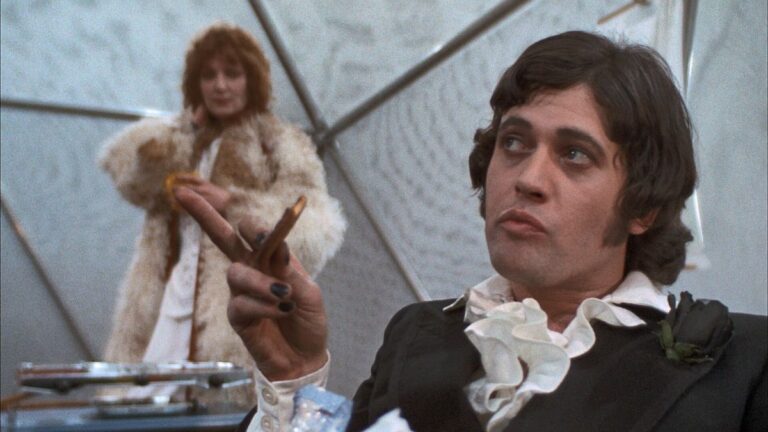
Lustig, best known for his notorious cult shocker Maniac (1980), carved out a distinctive niche in independent exploitation filmmaking through his ability to merge grindhouse intensity with sharp craftsmanship. Vigilante reflects that sensibility at its most accessible. While still deeply embedded in the rough textures of New York’s streets, the movie feels more controlled and character-driven than some of Lustig’s earlier work, showcasing his development as a director who could elevate low-budget material through atmosphere, pacing, and a keen sense of urban decay. Joe Spinell, Lustig’s unforgettable star from Maniac, turns up in a sleazy, scene-stealing appearance as a corrupt lawyer, another reminder of Lustig’s knack for casting rough-edged New York character actors who feel ripped straight from the city’s underbelly.
The story follows Eddie Marino (Robert Forster), a blue-collar worker whose life collapses after a brutal gang attack on his family. When the justice system fails him, he turns to a group of coworkers, led by the charismatic Nick (Fred Williamson), who have already taken the law into their own hands. Lustig uses this setup to explore the moral corrosion that comes from institutional failure. His New York is a city where the courts are overwhelmed, the police are ineffective, and ordinary people feel cornered into extreme choices.
Compared to Death Wish (1974), Vigilante is less mythic and more communal. Instead of a lone avenger, Lustig presents vigilantism as a working-class movement born from frustration and a sense of powerlessness. The film also shares DNA with The French Connection (1971), particularly in its grimy cinematography, a car chase scene that echoes the famous one from Friedkin’s movie, and a bleak snapshot of the city’s collapsing institutions. Yet it lacks that film’s procedural rigor, leaning instead into raw emotional propulsion.
There’s also a touch of The Warriors (1979) in its stylized depiction of street gangs and the sense of New York as a battleground of clashing subcultures. But where Walter Hill’s film is heightened and almost comic-book-like, Lustig keeps his world grounded, violent, and steeped in a hard-edged realism.
Ultimately, Vigilante stands out as one of the more thoughtful entries in the revenge-film cycle of its era. It delivers the expected grindhouse thrills, but it also captures the desperation and anger of a city on the brink, making it a defining work in Lustig’s contribution to American exploitation cinema.
A shout‑out to Blue Underground. I own several of their 4K releases, and every single one is exceptional – reference quality, this one included.