Thunder on the Hill (1951)
Thunder on the Hill
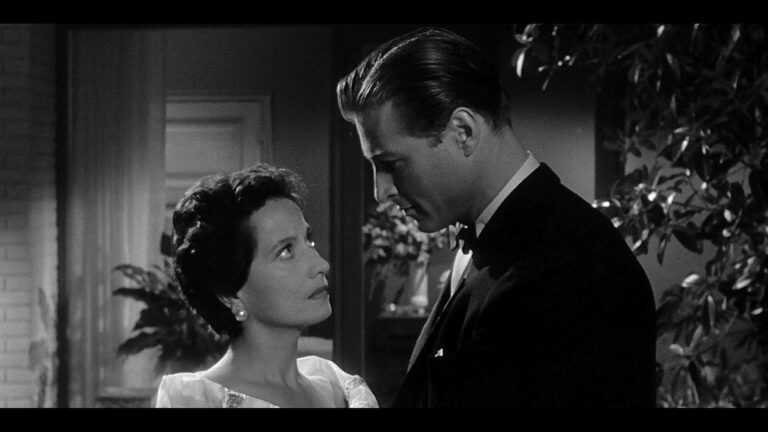
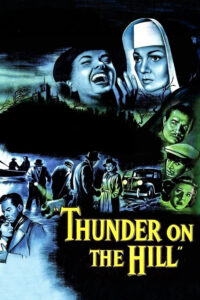
Thunder on the Hill follows Sister Mary (Claudette Colbert), a compassionate nun who comes to believe that Valerie Carns (Ann Blyth) – a young woman awaiting execution – may be innocent, drawing her into a tense search for the truth as a storm traps everyone at the hospital ward of a convent. The film blends mystery and melodrama, building its suspense through character, atmosphere, and the mounting pressure to uncover justice.
That setup gives Thunder on the Hill its emotional backbone, and the film uses it to explore themes that would become hallmarks of director Douglas Sirk’s later, more celebrated work. Although Sirk is best known for the lush Technicolor melodramas he made later in the decade, such as All That Heaven Allows (1955), Written on the Wind (1956), and Imitation of Life (1959), this earlier, black‑and‑white thriller shows him already honing his talent for heightening everyday moral dilemmas into something theatrical. The storm-bound setting becomes a kind of pressure cooker, allowing Sirk to push his characters toward moments of crisis that feel both intimate and grand.
Claudette Colbert performance balances warmth and determination. Her Sister Mary is neither saintly nor naïve; she’s a woman whose faith compels her to question the easy answers everyone else is willing to accept. Ann Blyth, meanwhile, brings a vulnerable intensity to Valerie, making her more than a plot device. Their scenes together give the film its emotional charge, grounding the mystery in human stakes rather than procedural mechanics.
Sirk’s direction emphasizes mood over extravagance. The hospital corridors, the relentless rain, and the sense of isolation all contribute to a tense, oppressive atmosphere. Even when the plot veers into melodrama, Sirk’s control of tone keeps the film from tipping into excess. Instead, he uses the heightened emotions to underline the story’s moral questions: What does justice look like when the truth is obscured? How far should one go to intervene in another person’s fate?
While Thunder on the Hill may not have the visual flamboyance of Sirk’s later masterpieces, it offers a compelling glimpse of the filmmaker in transition, already interested in the tension between appearance and reality, and already skilled at turning melodrama into something vibrant. It’s a compact, atmospheric thriller that rewards viewers who appreciate character-driven suspense and the early evolution of a major director’s voice.