Tura! (2024)
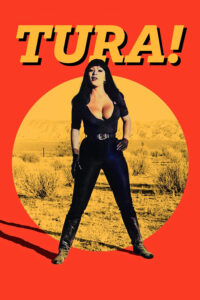
Tura!
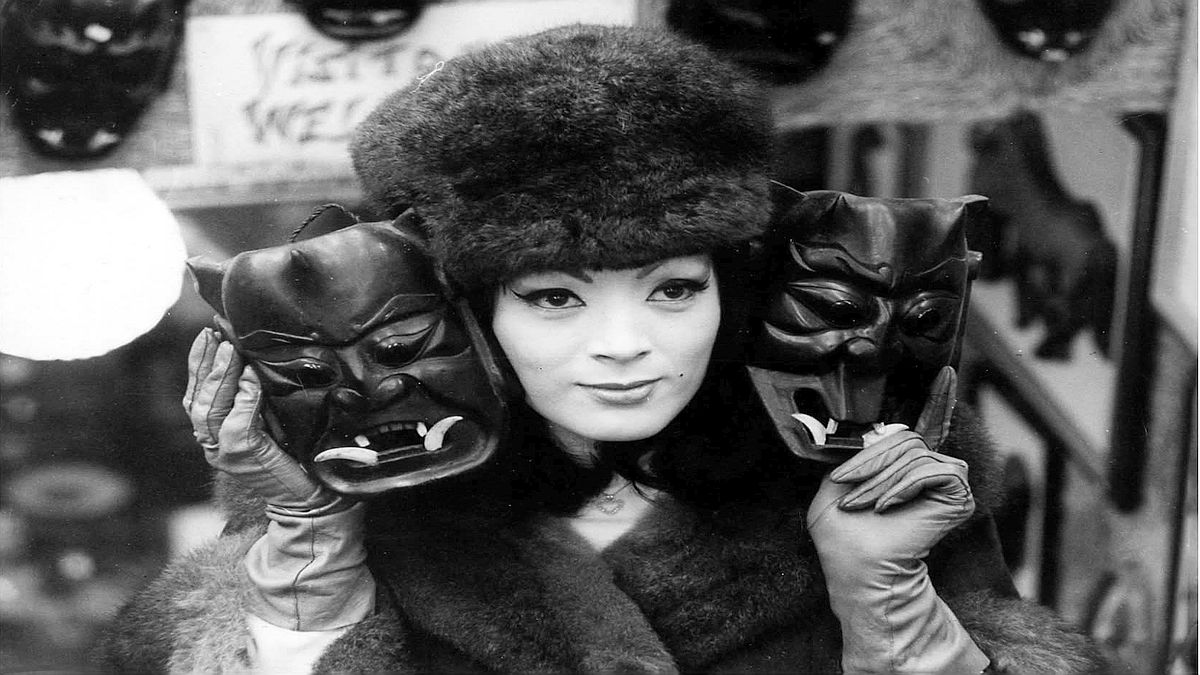
Tura Satana lived one of those lives that feels larger than the screen she dominated. Born in 1938 to a Japanese-Filipino father and a Native American-Scottish mother, she grew up facing discrimination and hardship, experiences that shaped the fierce persona she later projected. After surviving a traumatic childhood, she rebuilt herself through discipline – studying martial arts, dance, and eventually finding her way into modeling and acting.
Her breakthrough came with Russ Meyer’s Faster, Pussycat! Kill! Kill! (1965), where she played the unforgettable Varla. Satana didn’t just act the role, she created it. She choreographed her own fight scenes, crafted Varla’s attitude, and delivered a performance so bold and unapologetic that it became a touchstone for feminist and cult cinema. Though Hollywood never fully capitalized on her talent, she carved out a career on her own terms, appearing in films, television, and burlesque shows with the same commanding presence.
What’s remarkable is how her legacy grew long after the spotlight faded. Fans rediscovered her through midnight screenings, zines, and the rise of VHS rentals. By the 1990s and 2000s, she was celebrated as an icon – someone who embodied strength, defiance, and style. Satana embraced this late-in-life admiration with gratitude, connecting with fans who saw in her a symbol of empowerment and resilience.
The documentary contains commentary by John Waters (who is always thoroughly entertaining), Margaret Cho, Tura’s two daughters, and others.
Fans will likely find something to appreciate here. Go, baby, go…check it out.