Night of the Juggler (1980)
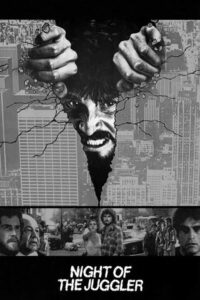
Night of the Juggler
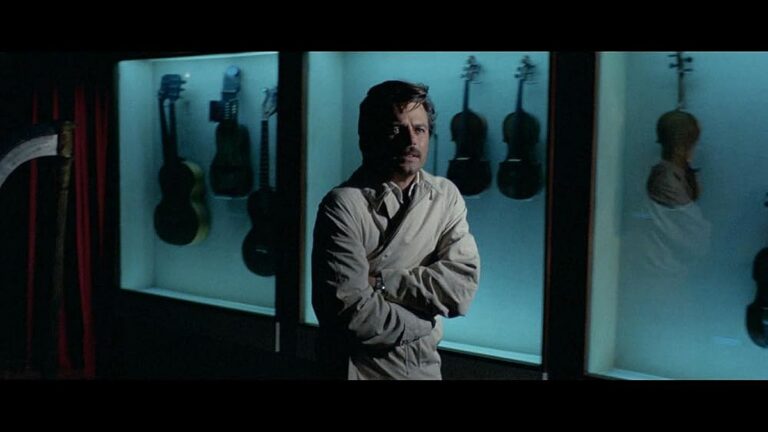
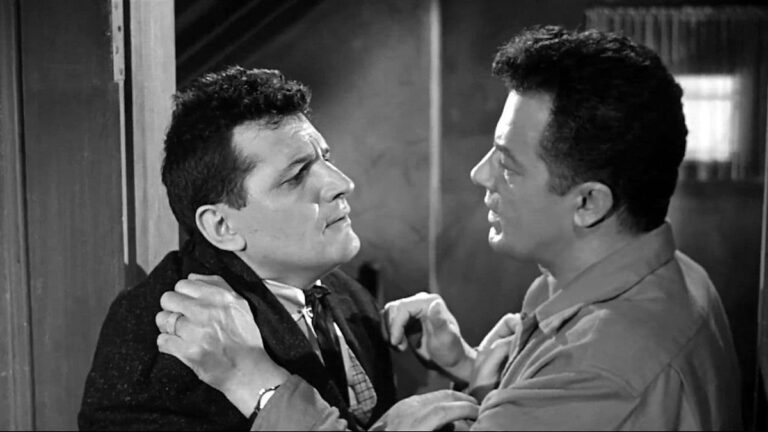
Sean Boyd (James Brolin) is a former cop now hauling freight for a living and trying to maintain a fragile shared-custody arrangement with his ex-wife (Linda Miller). His already strained routine shatters when a deranged loner, played with unnerving intensity by Cliff Gorman, abducts his daughter Kathy (Abbey Bluestone). The kidnapper mistakes her for the child of wealthy real-estate tycoon Hampton Clayton (Marco St. John), a man he irrationally blames for the collapse of his neighborhood and the erosion of his own life. That single misunderstanding sets off a chain reaction that propels Boyd into a frantic, day-long pursuit across New York City, where he plows through every obstacle, bureaucratic or physical, in his desperate attempt to bring his daughter home.
As an action thriller, Night of the Juggler moves with a heightened urgency. The pacing is brisk, the stakes are immediate, and even when the plot veers into implausibility, the film maintains a raw energy that kept me engaged. Boyd’s motivation is simple but powerful: he’s a father whose child has been taken, and the movie never lets you forget the primal force of that fear. It’s easy to relate to him, even when his methods grow increasingly reckless. The film taps into that universal instinct, that there is nothing a loving parent wouldn’t do to protect their child.
What surprised me, though, is the layer of social commentary threaded through the chase. The contrast between the affluent developer and both working-class Boyd and the unhinged kidnapper hints at the economic tensions simmering beneath the city’s surface. The film also touches on racial dynamics, most notably in the taxi scene with Maria (Julie Carmen), the cabbie (Saundra McClain), and Boyd after they escape a Latino gang. When Boyd, exasperated, asks, “What’s the matter with these people anyway,” Maria shoots back, “Well, you. You’re the welfare, or the credit man, or a cop.” And when he presses her, the cabbie adds, “Honey, why else does the white man come around here asking questions?” It’s a brief exchange, but it grounds the film in the social anxieties of early 80s New York and gives the chase a sharper edge.