The Battle Wizard (1977)
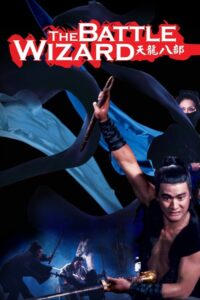
The Battle Wizard
Battle Wizard adapts Louis Cha’s celebrated novel Demi-Gods and Semi-Devils for the screen. By focusing on the Duan Yu storyline, the film draws from one of the most iconic threads in wuxia literature, where themes of destiny, kinship, and warrior ethics intertwine. Yet, while the movie inherits the grandeur of its source, it reshapes the narrative in several ways.
Louis Cha’s novel situates Duan Yu within jianghu, the semi-mythical world of martial artists, secret sects, and wanderers governed by its own codes of honor and rivalry. In the book, jianghu is not merely a backdrop but a moral maze, testing Duan Yu’s pacifism and reshaping his identity through complex family entanglements. By invoking this lineage, Battle Wizard connects itself to the broader tradition of wuxia storytelling, even as it reinterprets jianghu for cinematic purposes.
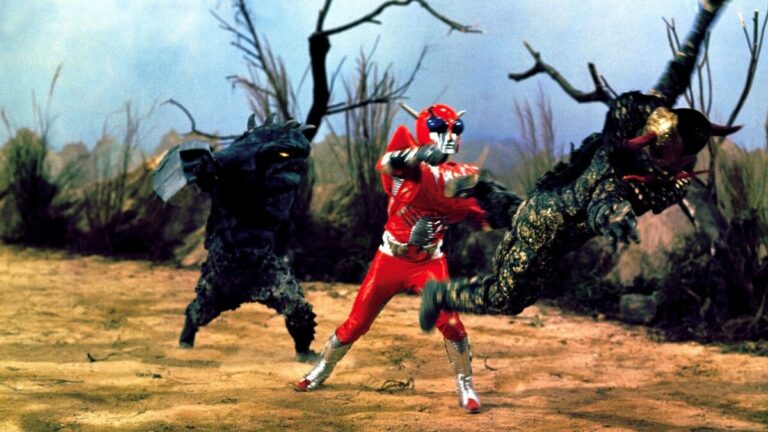
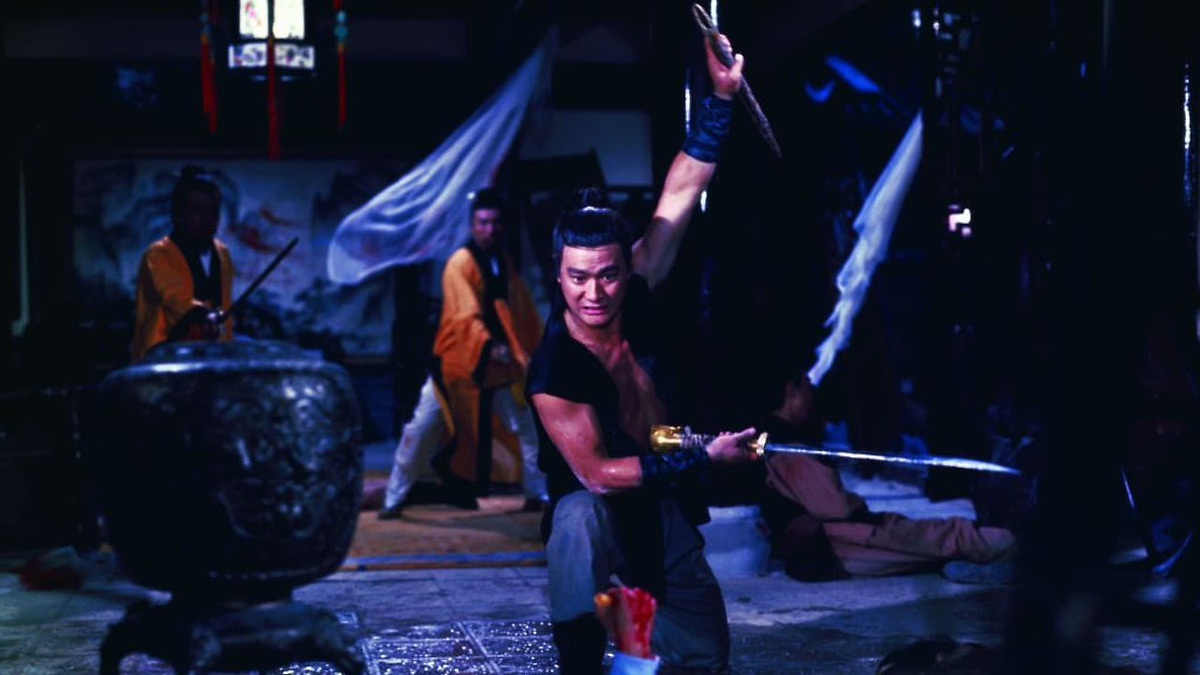
Where the novel emphasizes Duan Yu’s reluctance to fight and his accidental mastery of esoteric techniques like the Six Meridians Divine Sword, the film transforms him into a more conventional wuxia hero (at first he wants to be a scholar not a fighter, but it doesn’t take long for that to change). Romantic subplots and intricate kinship ties are condensed or altered, while mystical duels and fantastical creatures take center stage. These changes highlight the Shaw Brothers’ preference for visual excitement over the novel’s layered moral dilemmas, transforming jianghu from a morally ambiguous society into a colorful battleground.
In Demi-Gods and Semi-Devils, jianghu is a system of obligations and betrayals, a world that constantly challenges Duan Yu’s ideals. In Battle Wizard, jianghu becomes a stage for extravagant martial arts displays, where exhibition outweighs subtlety. This interpretation underscores the film’s departure from Cha’s philosophical exploration of fate and morality, offering instead a fantasy adventure that prioritizes immediacy and entertainment.
Ultimately, Battle Wizard illustrates the Shaw Brothers’ approach to adaptation, repurposing a sprawling literary epic into vivid, action-driven cinema. While it sacrifices much of the novel’s complexity, it succeeds in translating wuxia’s mythic lineage into a form accessible to viewers. In this way, the movie stands as both a tribute and transformation, paying homage to Louis Cha’s vision while reinterpreting it through the stylistic lens of Hong Kong fantasy/action cinema.