The Man in the High Castle (1962)
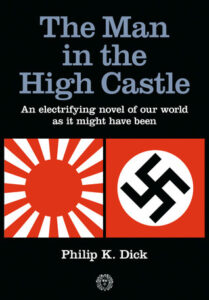
The Man in the High Castle
The Man in the High Castle is an alternate history novel imagining a world in which Germany and Japan won World War II and carved the United States into occupied territories. One of the intriguing aspects of the book is Dick’s extensive use of the I Ching, the ancient Chinese divination system. Characters consult it throughout the story, but it gets really meta when discovering that Dick himself used the I Ching to help shape the novel’s plot. That interplay between chance, fate, and authorship gives the book a mystical texture that sets it apart from other alternate history fiction.
Although I’ve been a huge PKD fan since the late 1980s, this was my first time actually reading The Man in the High Castle. I’ve known the premise for decades and always meant to get around to it, so finally picking it up felt long overdue. My path through Dick’s bibliography has been a bit backwards. I started with his later, more metaphysical works, such as VALIS (1981), The Divine Invasion (1981), and The Transmigration of Timothy Archer (1982). Those novels were my introduction to his blend of gnostic speculation, paranoia, and philosophical inquiry. From there, being a devoted Blade Runner fan, I moved on to Do Androids Dream of Electric Sheep? (1966), and then worked through several others over the years.
Recently, I picked up the three-volume Library of America set, which collects thirteen of his novels, including this one. It’s a beautiful edition and a great way to revisit his work. My plan is to read the novels I haven’t yet, and then circle back to reread the ones I already know – partly because it’s been a long time, and partly because Dick’s books reward rereading. The Man in the High Castle is the first step in that project. I’m logging it under a different edition here because I don’t intend to read the volumes sequentially, but I am indeed reading from The Philip K. Dick Collection: A Library of America Boxed Set. It feels good to finally check this one off my list and to begin a more structured journey through Dick’s eccentric and deeply influential body of work.